Knowledge Management Systems
Overview
A knowledge management system is a framework for organizing, storing, and sharing information within an organization or for personal use. An effective system helps capture, develop, and utilize knowledge efficiently.
Key Components
1. Knowledge Capture
- Note-taking systems
- Documentation processes
- Information gathering methods
2. Organization
- Taxonomies and categories
- Tagging systems
- Cross-referencing
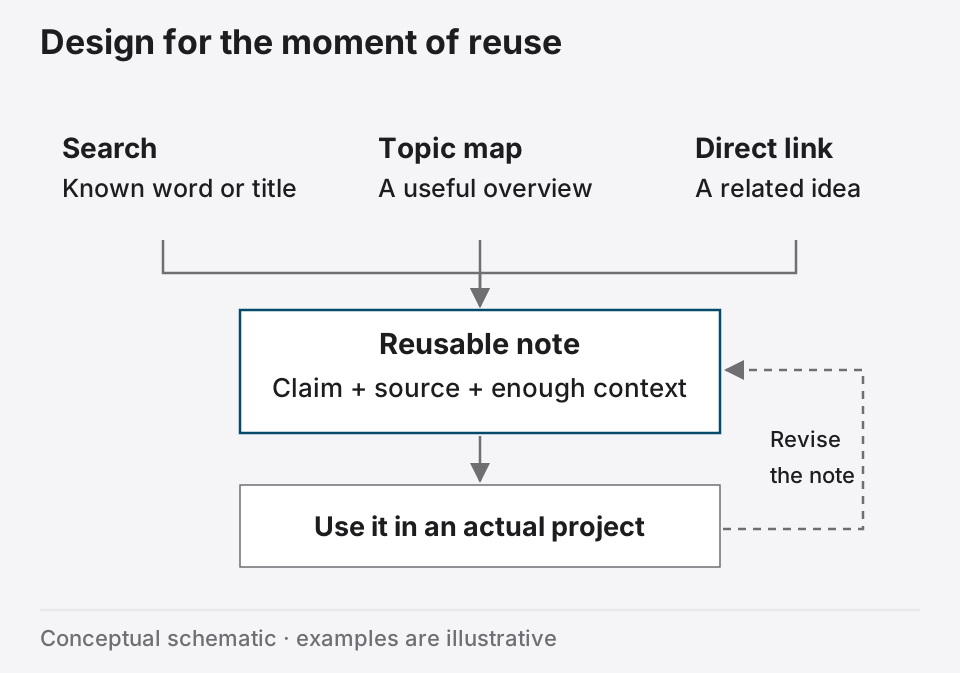
3. Access & Retrieval
- Search functionality
- Navigation structures
- Quick reference systems
- Audit retrieval before trusting an answer - Check source coverage, search results, and answer support separately
Personal Knowledge Management
Core Principles
- Keep it simple and sustainable
- Focus on connections between ideas
- Regular review and refinement
Tools and Methods
- Digital Garden - Public knowledge cultivation
- Zettelkasten Method - Connected atomic notes
- Progressive Summarization - Layered highlighting
- Note Linking - Connection strategies
Best Practices
- Start small and iterate - Build complexity gradually
- Prioritize findability - Organization serves retrieval
- Make connections liberally - Link related concepts
- Review and update regularly - Keep system alive
- Document your process - Meta-knowledge matters
Implementation Strategies
Getting Started
- Define your knowledge domains
- Choose appropriate tools
- Establish naming conventions
- Create initial structure
Maintenance
- Schedule regular reviews
- Prune outdated content
- Strengthen connections
- Refine organization
Related Resources
- Learning Plan - Structured learning approach
- Skills Development Hub - Skill tracking system
- Knowledge Organization - Organization principles
- Learning Atlas - Navigation framework
- Active Learning - Engagement techniques
Tip
Key Insight The best system is one you'll actually use consistently. Start simple and evolve based on your needs.