Career Frameworks
Development Models
Career Stages Framework
- Explorer - Learning and discovering interests
- Builder - Developing core competencies
- Achiever - Delivering significant impact
- Leader - Guiding and mentoring others
- Visionary - Shaping industry direction
T-Shaped Professional
The T-Shaped Skills model emphasizes:
- Broad knowledge across domains (horizontal)
- Deep expertise in specific areas (vertical)
Assessment Tools
Skills Matrix
Use the Skills Matrix to evaluate:
- Technical capabilities
- Soft skills
- Leadership abilities
- Industry knowledge
Career Compass
The Career Direction Framework helps assess:
- Current position
- Target direction
- Gap analysis
- Action planning
Growth Models
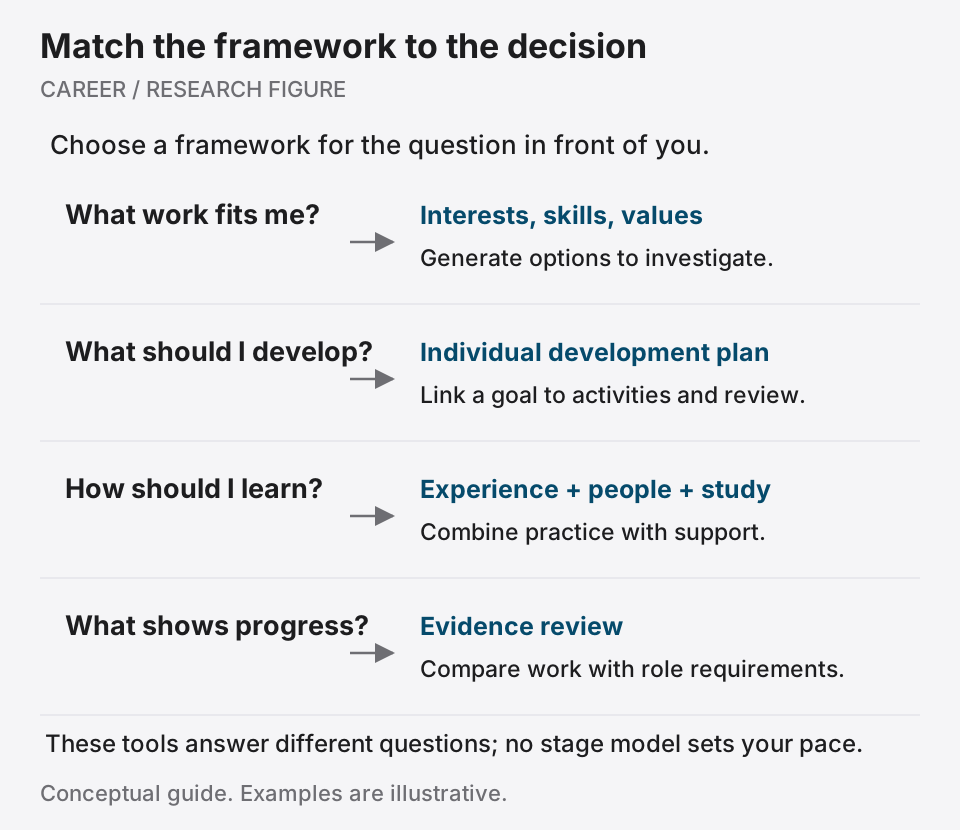
70-20-10 Model
Learning distribution:
- 70% challenging assignments
- 20% developmental relationships
- 10% formal training
Leadership Pipeline
Progression through Leadership Levels:
- Individual contributor
- Team lead
- Manager
- Director
- Executive
Implementation
Goal Setting
Use SMART Goals framework:
- Specific objectives
- Measurable targets
- Achievable outcomes
- Relevant focus
- Time-bound deadlines
Progress Tracking
Monitor development using:
- Performance metrics
- Skill assessments
- Project outcomes
- Feedback reviews