Career Transition Guide
How to change roles, companies, or career tracks in tech. Timelines, checklists, and common pitfalls.
Types of Career Transitions
1. Vertical Transitions (Level Progression)
Senior Engineer → Staff Engineer
- Timeline: 2-3 years typical
- Focus: Expanding technical influence
- Key Skills: System design, mentorship, cross-team collaboration
Staff → Principal Engineer
- Timeline: 3-5 years typical
- Focus: Organization-wide impact
- Key Skills: Technical strategy, innovation, thought leadership
2. Lateral Transitions (Role Changes)
Engineer → Product Manager
- Timeline: 6-12 months preparation
- Focus: Business acumen, stakeholder management
- Bridge Skills: Technical background, user empathy
Engineer → Engineering Manager
- Timeline: 1-2 years preparation
- Focus: People leadership, project management
- Bridge Skills: Technical expertise, team collaboration
Engineer → DevRel/Advocate
- Timeline: 6-12 months
- Focus: Communication, community building
- Bridge Skills: Technical depth, teaching ability
3. Industry Transitions
Traditional Tech → FinTech
- Key Considerations: Regulatory knowledge, security focus
- Growth Areas: Blockchain, DeFi, payment systems
Tech → Healthcare Tech
- Key Considerations: HIPAA compliance, patient privacy
- Growth Areas: AI diagnostics, telemedicine, wearables
Enterprise → Startup
- Key Considerations: Wearing multiple hats, rapid iteration
- Mindset Shift: Process-driven → outcome-driven
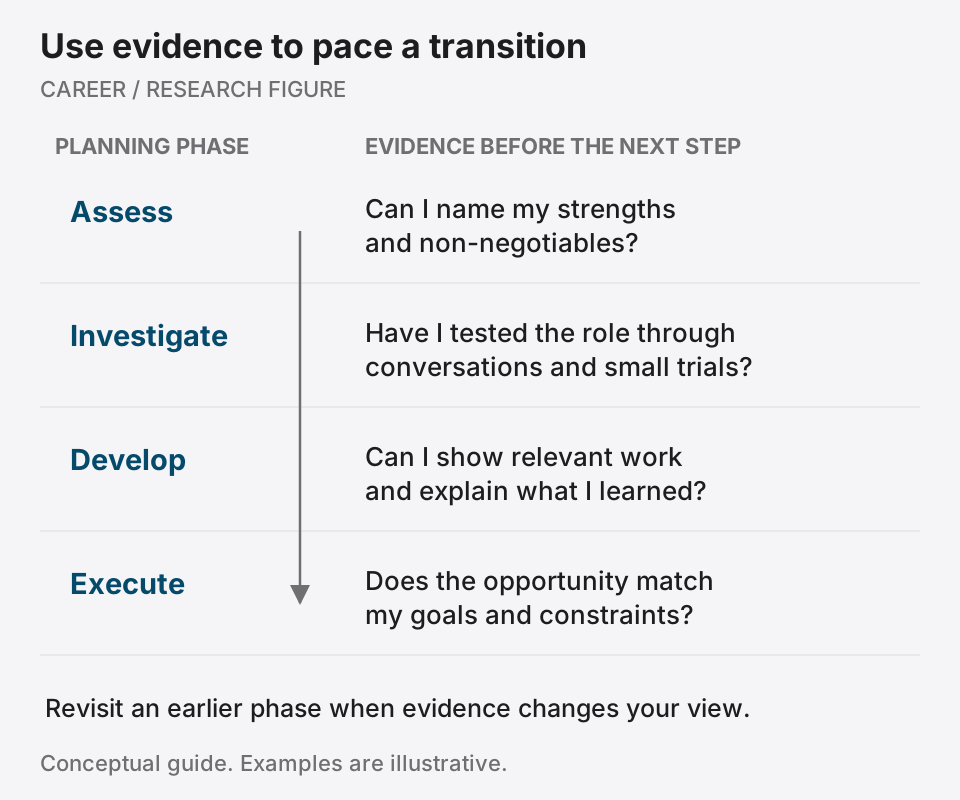
Transition Planning Framework
Phase 1: Self-Assessment (Months -12 to -9)
Skills Inventory
Technical Skills Audit
- Current expertise level (1-10)
- Market demand for skills
- Transferable vs. role-specific skills
- Gaps to address
Soft Skills Evaluation
- Leadership capabilities
- Communication effectiveness
- Business understanding
- Cultural fit factors
Values Clarification
- Work-life balance priorities
- Compensation requirements
- Growth opportunities desired
- Company culture preferences
Phase 2: Market Research (Months -9 to -6)
Industry Analysis
Target Role Research
- Job descriptions analysis (collect 20+)
- Required skills frequency
- Compensation benchmarks
- Growth trajectory
Company Research
- Target company list (10-20)
- Culture assessment
- Financial stability
- Technology stack
Network Mapping
Connection Categories
- Direct contacts in target roles
- Hiring managers/recruiters
- Industry thought leaders
- Alumni networks
Phase 3: Skill Development (Months -6 to -3)
Focused Learning
Priority Skills
- Must-have skills (non-negotiable)
- Nice-to-have skills (differentiators)
- Future-facing skills (long-term value)
Learning Strategies
- Online courses/certifications
- Side projects demonstrating skills
- Open source contributions
- Volunteer work in target area
Portfolio Building
Showcase Projects
- Relevant to target role
- Demonstrating key skills
- Quantifiable impact
- Well-documented
Phase 4: Transition Execution (Months -3 to 0)
Application Strategy
Targeted Approach
- Quality over quantity
- Customized applications
- Leverage warm introductions
- Follow-up systematically
Interview Preparation
- Role-specific practice
- Behavioral story bank
- Technical preparation
- Negotiation strategy
Specific Transition Playbooks
Engineer to Product Manager
Month 1-3: Foundation
- Complete PM fundamentals course
- Shadow PMs at current company
- Read key PM books (Inspired, Lean Startup)
- Start building product sense
Month 4-6: Practice
- Lead feature from engineer perspective
- Write product specs/PRDs
- Conduct user interviews
- Analyze metrics and data
Month 7-9: Transition
- Internal transfer opportunity
- Network with PM community
- Apply to APM programs
- Prepare PM interview cases
IC to Engineering Manager
Prerequisites
- 5+ years engineering experience
- Demonstrated technical leadership
- Mentorship track record
- Interest in people development
Preparation Path
-
Lead Without Title (3-6 months)
- Tech lead responsibilities
- Mentor 2-3 engineers
- Run team meetings
- Own team processes
-
Management Training (2-3 months)
- Internal management programs
- External courses (Manager Tools)
- 1:1 practice sessions
- Feedback delivery practice
-
Gradual Transition
- Split IC/Manager role (70/30)
- Interim management opportunity
- Full transition with support
Startup to Big Tech
Cultural Preparation
Mindset Shifts
- Scrappy → Process-oriented
- Generalist → Specialist
- Speed → Scale
- Autonomy → Collaboration
Interview Preparation
System Design Focus
- Large-scale architectures
- Distributed systems
- Performance at scale
- Reliability engineering
Behavioral Preparation
- STAR format mastery
- Big Tech values alignment
- Collaboration examples
- Impact quantification
Risk Mitigation Strategies
Financial Planning
Transition Fund
- 6-12 months expenses saved
- Account for potential pay cut
- Benefits gap coverage
- Relocation costs (if applicable)
Parallel Paths
Side Projects
- Build while employed
- Validate interest/aptitude
- Create portfolio pieces
- Generate income stream
Gradual Transition
- Part-time/contract work
- Internal role change
- Volunteer positions
- Advisory roles
Contingency Planning
Fallback Options
- Contract/consulting work
- Return to previous role type
- Adjacent role alternatives
- Extended timeline flexibility
Success Metrics
Pre-Transition
- Skills gap closure rate
- Network growth (quality connections)
- Portfolio development progress
- Financial preparedness level
During Transition
- Application response rate
- Interview conversion rate
- Offer competitiveness
- Timeline adherence
Post-Transition
- 30/60/90 day success
- Performance reviews
- Satisfaction levels
- Career trajectory alignment
Common Pitfalls to Avoid
Timing Mistakes
- Leaving too early (insufficient preparation)
- Waiting too long (missed opportunities)
- Bad market timing
- Burning bridges
Preparation Gaps
- Underestimating skill gaps
- Insufficient network building
- Weak portfolio/evidence
- Poor interview preparation
Execution Errors
- Spray-and-pray applications
- Accepting wrong fit
- Poor negotiation
- Inadequate due diligence
Resources and Tools
Assessment Tools
- StrengthsFinder 2.0
- 16Personalities career guide
- O*NET Interest Profiler
- LinkedIn Skill Assessments
Learning Platforms
- Coursera career transitions
- LinkedIn Learning paths
- Udacity career programs
- General Assembly bootcamps
Networking Resources
- Industry-specific Slack groups
- LinkedIn optimization guides
- Virtual networking events
- Professional associations
Interview Preparation
- Leetcode (technical)
- Pramp (mock interviews)
- Interview.io (anonymous practice)
- Exponent (PM/product)
Action Plan Template
30-Day Quick Start
Week 1: Self-assessment and goal setting Week 2: Market research and role analysis Week 3: Skill gap identification and learning plan Week 4: Network activation and connection building
90-Day Intensive
Month 1: Foundation building Month 2: Skill development and portfolio Month 3: Application and interview preparation
6-Month Comprehensive
Months 1-2: Research and planning Months 3-4: Skill building and networking Months 5-6: Active transition and negotiation
Related Notes
- Career Transitions
- 5-Year Tech Career Development Plan
- Job Search Strategy
- Interview Preparation Hub
- Salary Negotiation
- Professional Development
- Career Goals Framework